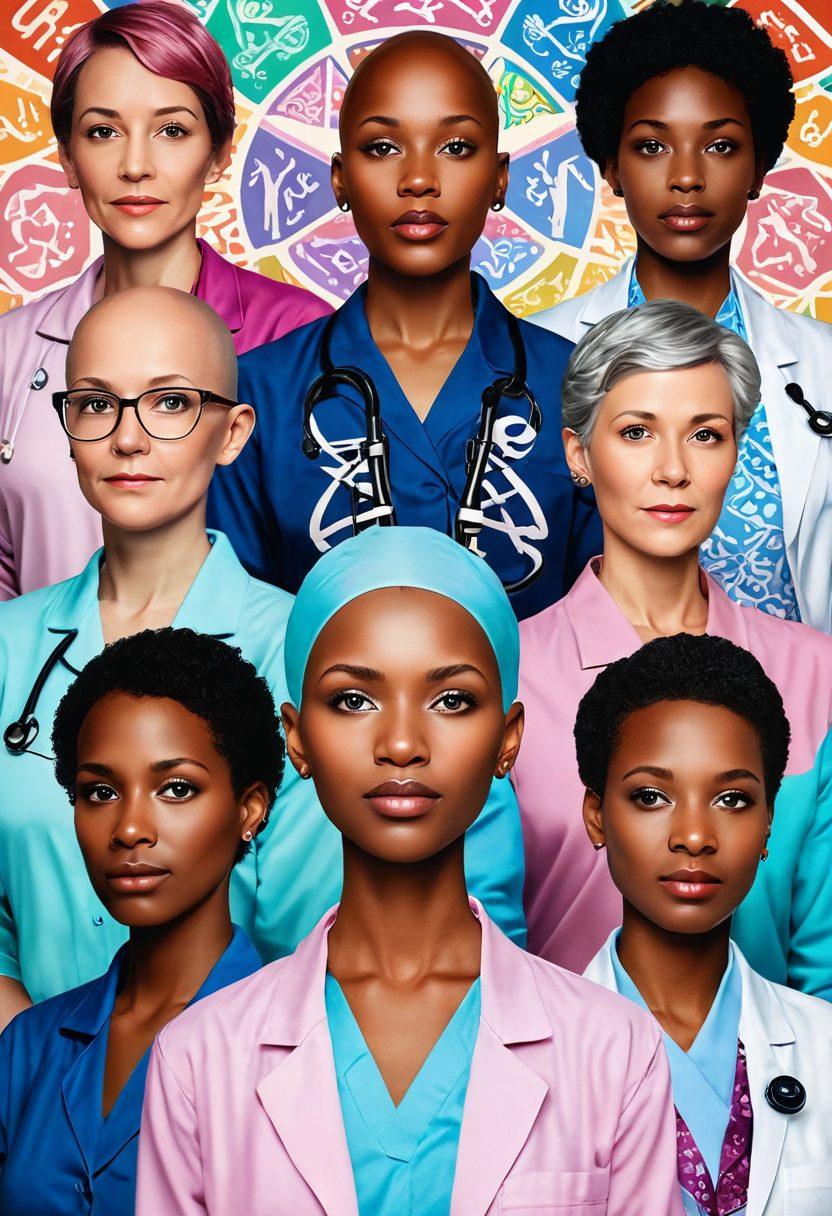
Empowering Survivors: Uncovering the Latest in Oncology Research and Patient Support
Navigating the world of oncology can feel like steering a ship through stormy waters. With overwhelming amounts of cancer news flooding in daily, it’s crucial to stay informed about the latest medical advancements and research that can impact not just treatment options, but the very landscape of patient care. Have you ever wondered how recent developments might influence your understanding of survivorship or the support systems available for those bravely battling cancer? This oncology blog aims to guide you through those turbulent waters, shining a light on new resources and insights for both patients and caregivers alike.
As we uncover the latest in oncology research, let’s pause for a moment to reflect on the personal stories that unfold behind the statistics. Each cancer statistic isn’t just a number; it’s a life touched by the disease. According to current cancer statistics, more than 1.7 million new cancer cases are expected in the U.S. alone this year. Those numbers can be daunting, but within these statistics lies a wealth of information and hope. It highlights the importance of cancer awareness campaigns designed not only to inform but to inspire action, encouraging individuals to seek preventive measures and early screenings.
One of the most promising areas of oncology is tumor research. Ongoing clinical trials are providing fresh insights into how we can better tailor oncology treatment. Picture this: a treatment that aligns perfectly with an individual’s genetic profile, maximizing efficacy while minimizing side effects. Sound too good to be true? It’s now becoming a reality for many thanks to advancements in personalized medicine. For anyone facing cancer, understanding these medical advancements can empower them to engage effectively in their health and wellness journey. Are you aware of the resources available to help you navigate these options?
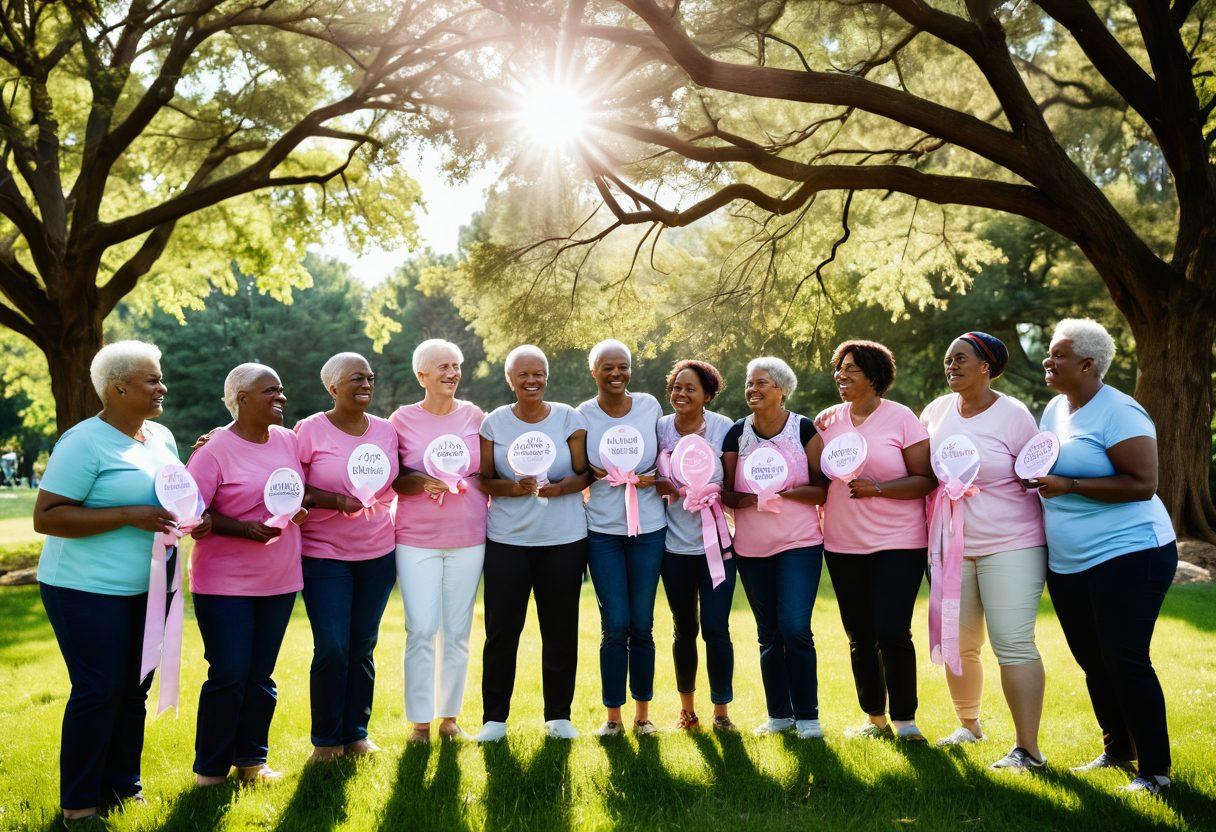
Connecting patients to cancer support groups can change the course of their journey. Sharing personal experiences and learning from others fosters a sense of community among survivors. In these spaces, individuals can find solace in shared struggles and victories, often paving the way for lasting friendships. Engaging with patient advocacy organizations can further enhance access to invaluable health education and cancer resources. Wouldn’t it be reassuring to know you’re not alone in this fight? The collaborative strength found in these groups empowers individuals to become advocates for their own health and well-being, ultimately fostering lifestyle changes that can enhance quality of life.
In the end, the fight against cancer is a collective one. As we discuss oncology treatment advancements, it’s crucial to recognize our role in reshaping the dialogue around survivorship. By staying informed and advocating for personal health, patients can stand at the forefront of their recovery journey. With every shared story, every awareness campaign, and every clinical trial breakthrough, we inch closer to a brighter future. Together, let’s celebrate the advancements in oncology and continue to support one another in this battle. How will you take charge of your health today?
Building a Supportive Community: How Patient Advocacy and Support Groups Empower Cancer Survivors
In the fight against cancer, no one should feel alone. Imagine walking into a room filled with individuals who only understand your journey because they have tread the same path. That's the magic of cancer support groups and patient advocacy networks. In an era where oncology research is making leaps and bounds, strengthening these communities serves a dual purpose: enhancing survivorship and bolstering access to the latest cancer resources. So, how can we as a society build these supportive structures effectively and empower cancer survivors? Let's explore this important aspect of health and wellness.
Statistics can paint a daunting picture. According to recent cancer statistics, nearly 1 in 2 men and 1 in 3 women will be diagnosed with cancer at some point in their lifetimes. Yet, amidst this sobering reality, communities rally together, creating support systems that empower individuals to face the unthinkable. Personal stories from survivors remind us of resilience in the face of adversity. The indomitable spirit of human beings shines brightly as they share their journeys, challenges, and triumphs, encouraging others to rise. As we delve deeper, we see how fostering patient advocacy not only changes lives but also reshapes the landscape of oncology treatment.
Patient advocacy is more than just a buzzword; it’s a vital pillar in the structure of effective patient care. By providing a voice to cancer survivors, advocacy groups work tirelessly to ensure access to groundbreaking clinical trials and advancements in tumor research. But advocacy doesn't stop with clinical settings. A comprehensive approach involves creating cancer awareness campaigns that reach far and wide, educating families and communities about preventive measures and holistic health. This powerful combination of education and advocacy fosters an informed community that understands the complexities of cancer and its impacts, significantly enhancing overall outcomes.
What magic happens when patients come together? They uplift each other, share vital health education, and provide a shoulder to lean on. It's the stories shared in a cancer support group that heal—that create bonds over laughter, tears, and hope. Whether it’s discussing lifestyle changes that integrate nutrition and self-care or sharing latest cancer news, each meeting becomes a sanctuary of understanding. These gatherings dispel the isolation that can accompany a diagnosis, replacing it with camaraderie and a newfound sense of purpose. If you’re navigating these waters, seek out a support group, and watch your community bloom around you.
In conclusion, building a supportive community for cancer survivors goes beyond mere camaraderie; it is an intentional, structured effort that empowers individuals with tools for survivorship. By advocating for patient rights, participating in crucial cancer support groups, and engaging in meaningful conversations, we lay the foundation for a world where survivors not only thrive but are also catalysts for change. Remember, each story shared is a light that sparks hope in others, illuminating paths to healing. The journey of survivorship is multifaceted, but together, we can ensure no one travels it alone.
Transforming Lives: The Impact of Health Education and Lifestyle Changes on Cancer Survivorship
In the world of oncology, the voice of the survivor has never been louder. Survivorship transcends beyond just surviving a diagnosis; it’s about reclaiming a life – a concept that is taking deeper roots through enhanced health education and lifestyle changes. Imagine a life transformed, where knowledge becomes power and where small, consistent choices lead to monumental changes. This transformation is an inspiring journey that many are undertaking, and today, we delve into the impact health education and lifestyle choices have on cancer survivorship.
Cancer statistics paint a stark picture, but behind every statistic is a human story. It’s these personal stories that illuminate the power of health education in oncology treatment. Consider Sarah, a breast cancer survivor who, upon diagnosis, felt lost and overwhelmed. However, through participation in cancer support groups, she gained knowledge about her condition, learned about preventive measures, and adopted lifestyle changes that ultimately enhanced her quality of life. Sarah's tale is not isolated; it reverberates through countless testimonials shared in oncology blogs, underlining how informed choices can lead to empowering survival experiences.
The notion of health and wellness extends far beyond a healthy diet or exercise regimen. It encompasses a holistic health approach that considers mental, emotional, and physical well-being. When survivors engage in health education, they equip themselves with critical insights into their disease, treatment options, and the importance of lifestyle changes. These changes, whether it's introducing regular physical activity, exploring nutrition, or managing stress through mindfulness, can drastically alter cancer impacts and promote longevity. How can integrating these practices into daily life shift perspectives for patients and their families?
Moreover, medical advancements continue to pave the way for better oncology treatment options, yet without awareness, many remain unheard of. Through active participation in cancer awareness campaigns, survivors not only amplify their voices but also become advocates for patient care improvements. Their stories inspire others to engage in clinical trials that may offer new hope. As survivors share their journeys, they create communities of support, fostering an environment where information is exchanged and encouragement blooms. What role do these community-driven exchanges play in shaping a survivor’s journey, particularly in the realm of health education?
Ultimately, the path to survivorship is woven with threads of education, support, and lifestyle transformation. To cultivate change, we need to ask ourselves: Are we leveraging available resources effectively? Are we engaging with and inspiring others through our stories? Health education is not just about receiving information; it’s about igniting action. By prioritizing our own health and advocating for those following in our footsteps, we can foster a culture of informed survivorship that empowers and transforms lives, uplifting entire communities along the way. So, what steps will you take today to enhance your survivorship journey?